Private Label Jeans Manufacturing in Turkey: Expert Solutions for Your Brand
1. Introduction: Why Global Brands Choose Turkey for Denim Production?
When establishing an international fashion brand or strengthening your existing supply chain, finding the right manufacturing partner is crucial. Recognized as a key hub of the global denim market, Turkey stands out not only for its geographical location but also for its denim quality, advanced washing facilities, and flexible production solutions.
Turkey has developed deep expertise in the denim sector since the 1980s, offering rapid sourcing and logistical advantages due to its proximity to European markets. The primary reasons brands choose Turkey are easy access to high-quality fabric suppliers and the capability to manufacture meticulously to European standards.
2. What is Private Label Manufacturing and How Does it Benefit You?
Private Label manufacturing is the process where a brand commissions a production facility to manufacture items exclusively under their own design, pattern, label, and packaging. In jeans production, this model provides your brand with the following vital advantages:
| Advantage | Description |
| Brand Control | You maintain 100% control over every detail, from the fabric type (organic, selvedge, stretch) to the washing technique. |
| Unique Identity | You create a unique fit and aesthetic that easily differentiates your products from others on the market. |
| Higher Profit Margin | Your profit margin increases because you are manufacturing directly, eliminating wholesalers or intermediaries. |
| Flexibility | You gain the ability to respond quickly to the market and implement fast, small-batch production based on current trends. |
3. The Denim Production Process in Turkey: Step-by-Step Trust
The process you will follow with your reliable manufacturing partner in Turkey for seamless Private Label jeans production is built on transparency and excellence.
Step 1: Detailed Quote and Technical Pack (Tech Pack) Review
The first and most crucial stage is the review of the Technical Pack (Tech Pack) file provided by you. Based on the information contained in this file:
- Pattern measurement chart,
- Desired stitching and washing instructions,
- Accessory (button, rivet, zipper) details,
- Fabric information (Oz, composition),…the most suitable and competitive price quote is prepared.
Step 2: Fabric and Accessory Sourcing
Following quote approval, fabric samples specific to your project are sourced from Turkish fabric mills. The Turkish textile sector offers a rich variety of both conventional and sustainable (Organic Cotton, Recycled) denim fabrics and is capable of production adhering to global certifications.
Step 3: Sample Development and Fit Approval
Experienced pattern-making teams prepare the initial sample (Fit Sample) according to the measurements in the Tech Pack. This sample is then sent to the brand representatives. Remember: The perfect fit is the key to market success. Your revisions are quickly implemented to finalize the sample.
Step 4: Washing and Finishing (The Pinnacle of Quality)
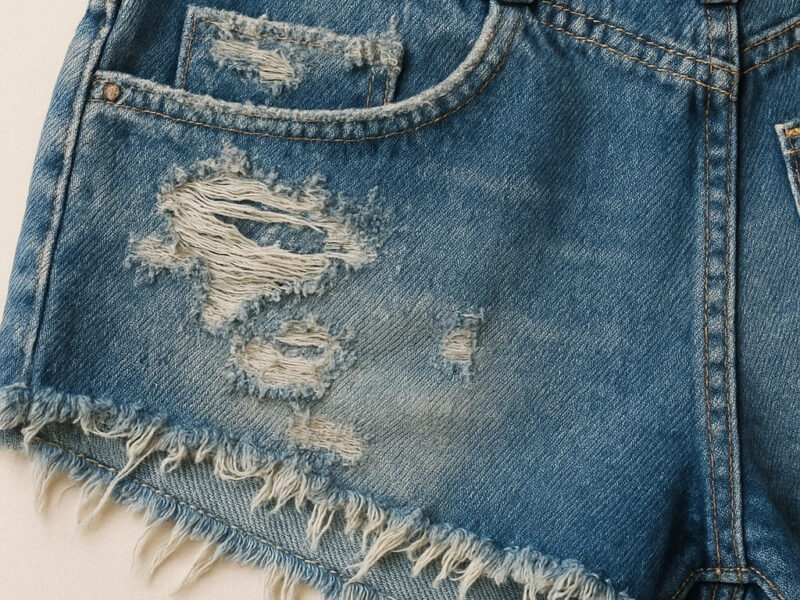
This is the stage where the Turkish denim sector establishes its global distinction. In advanced technology washing facilities (laser, ozone, nano-bubble, etc.), the desired special color, distressing, or vintage look is achieved. This stage infuses your jeans with the unique soul you are looking for.
Step 5: Bulk Production, Quality Control, and Delivery
After final sample approval, mass production commences. The margin of error is minimized through comprehensive Quality Control (QC) processes carried out by independent auditors during and after production. Your products are safely shipped within the determined lead time.
4. Answers to the Two Most Critical Questions
A. Is Flexible Low MOQ Feasible? (Crucial for New Brands)
Yes, it is. Many manufacturing partners in Turkey understand the needs of boutique brands looking to market test, as well as those of established brands. It is common to offer flexible MOQ (Minimum Order Quantity) options that vary depending on product complexity, often below the industry average. This allows you to start quality production without high investment risk.
B. What is the Commitment to Sustainability and Current Practices?
Sustainability is no longer a choice but a necessity. Modern production facilities in Turkey utilize advanced washing technologies that reduce water consumption by up to 70%. Easy access to organic cotton, recycled denim, and fabrics complying with Better Cotton Initiative (BCI) standards helps your brand meet its “green” objectives.